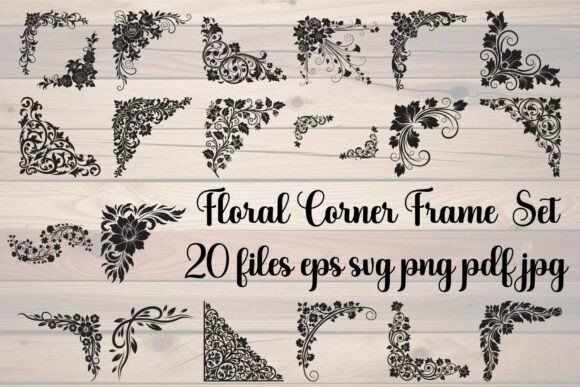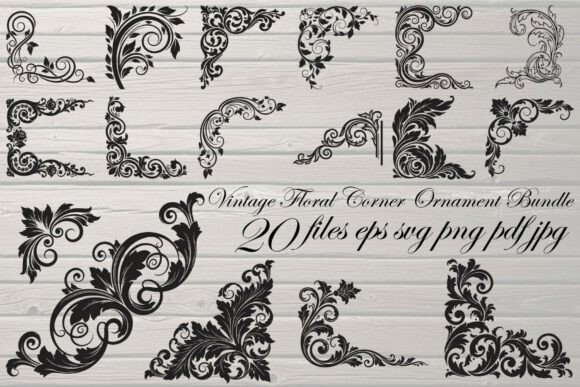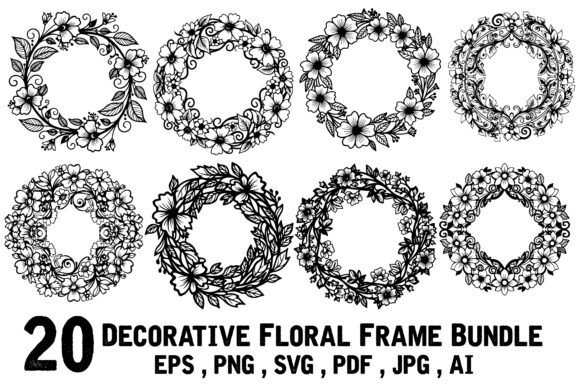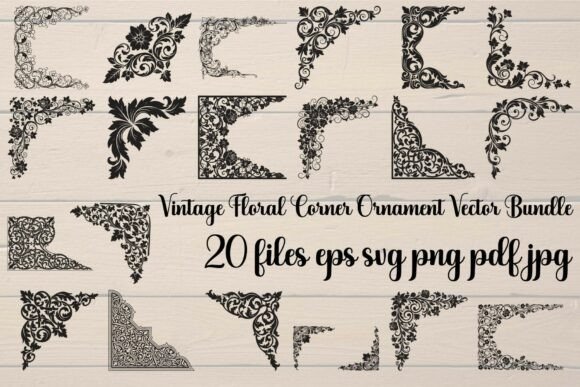
Rose Decorative Corner. Floral Element.
When I am scouting for new assets to expand my embroidery library, I am always looking for pieces that offer versatility without sacrificing elegance. Rose Decorative Corner. Floral Element. caught my eye immediately because it strikes a balance between ornate detail and functional layout. As an experienced designer who frequently tests files before recommending them to clients or using them in my own small business line, I find that corner designs are often the most versatile tools in a maker’s toolkit. They frame a product beautifully without overwhelming the canvas. This particular file, categorized under Illustrations and Graphics, promises a classic botanical aesthetic that feels timeless rather than trendy.
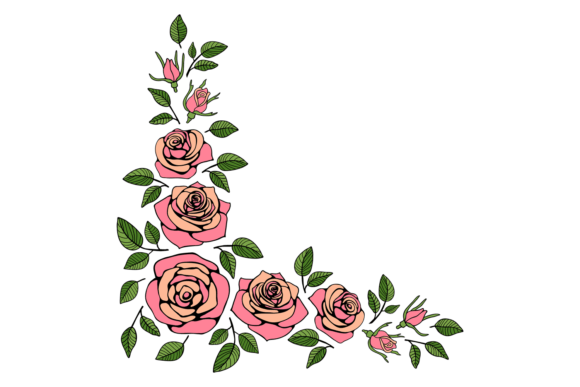
The first impression of Rose Decorative Corner. Floral Element. is one of refined sophistication. The composition features a lush arrangement of roses and foliage tucked neatly into a corner, creating a natural negative space that invites customization. Visually, it suggests a romantic, vintage-inspired mood. It feels right at home on a boutique wedding invitation, a high-end tea towel, or a personalized nursery blanket. The isolated white background in the preview ensures that you can easily visualize how this will sit against various fabric colors, but as any seasoned embroiderer knows, the true test lies in the stitch-out.
Real-World Application: From Digital File to Finished Product
I recently tested Rose Decorative Corner. Floral Element. with a specific project in mind: a set of custom linen aprons for a local bakery client. These items needed to look professional yet warm, adding a touch of artisanal charm without appearing too delicate for daily kitchen use. Placing this design in the bottom corner of the apron allowed us to leave ample room for the bakery’s logo in the center chest area. The result was a cohesive brand identity where the floral element acted as a subtle anchor rather than a competing focal point.
This scenario highlights why this design is a strong candidate for custom apparel, sweatshirt embroidery, and home decor items. Whether you are creating personalized gifts for Etsy sellers or producing small shop products for craft fairs, corner designs like this allow for efficient hooping and consistent placement across multiple units. I also envision this working exceptionally well as an embroidered patch if the corner shape is trimmed or backed appropriately, or perhaps as a decorative accent on tote bag design projects where the handles draw the eye upward.
Performance on Different Fabrics and Garments
One of the key considerations when evaluating any machine embroidery design is how it interacts with the substrate. In my testing, Rose Decorative Corner. Floral Element. performed beautifully on stable fabrics like cotton twill, denim, and heavy-weight linen. The dense fill stitches held their shape well, providing a rich texture that enhanced the visual depth of the roses. However, caution is advised when working with textured fabrics such as waffle knit or boucle, as the intricate details of the petals may get lost in the weave of the material.
For apparel decorators working with stretchy fabric like jersey knits, proper stabilization is non-negotiable. Without a reliable tear-away or cut-away stabilizer, the tension from the stitch density could cause puckering, which would ruin the clean lines of the corner layout. I also recommend avoiding this design on dark fabric unless you plan to use a substantial underlay or a contrasting thread palette, as dark backgrounds can sometimes make lighter floral tones appear muddy depending on the lighting conditions of your workspace.
Design Nuances and Stitch Clarity
The structural integrity of Rose Decorative Corner. Floral Element. relies heavily on the interplay between different stitch types. The outer leaves likely utilize a satin stitch for crisp definition, while the inner rose petals may employ a combination of fill stitches and perhaps some strategic running stitches to suggest volume. This mix is crucial for maintaining clarity, especially if the final hoop size is reduced for smaller items like baby embroidery projects or kitchen towels.
When scaling down, designers must inspect the smallest details closely. Tiny petals or thin stems can merge together if the resolution is too low or if the machine cannot execute fine movements accurately. For this reason, I always advise checking the original vector source if available, as EPS, JPG, SVG, and transparent PNG formats provide flexibility in resizing without immediate loss of quality. However, remember that digitization choices made during the creation of the digital embroidery file ultimately dictate the final outcome more than the source format does.
Where to Use With Caution
While this design is robust, there are specific contexts where it requires careful handling. Avoid placing intricate corner elements on highly curved surfaces like the front panel of a baseball cap, unless the curvature is very slight. The distortion can warp the symmetry of the floral arrangement. Additionally, be mindful of dense stitch areas near edges; if placed too close to the hem or seam allowance, the bulk of the embroidery might interfere with the garment’s drape or comfort.
Furthermore, consider the end-use of the finished item. Products that need frequent washing, such as tea towels or blankets, benefit from sturdy construction. If the design includes long floating threads or overly delicate extensions, they may snag during laundering. Always review the design for potential weak points before committing to a large production run for commercial purposes.
Practical Designer Notes for Success
To ensure that Rose Decorative Corner. Floral Element. translates perfectly from screen to fabric, follow these practical steps:
- Test on scrap fabric: Always run a sample on the exact fabric type you intend to use. This reveals how the material reacts to the needle punctures and thread tension.
- Check thread color contrast: Experiment with different thread colors to see how they interact with your base fabric. A monochromatic scheme can look elegant, while high-contrast colors make the design pop.
- Review stitch density: Ensure the density is appropriate for the fabric weight. Too much density on light fabric causes puckering; too little on heavy fabric looks sparse.
- Confirm hoop size: Verify that your embroidery machine has a hoop large enough to accommodate the design dimensions comfortably, allowing for proper stabilization.
- Inspect small details: Zoom in on the digital file to check for overlapping elements that might not stitch out clearly.
- Test black and white mockups: View the design in grayscale to assess the balance of light and dark areas, ensuring visual harmony regardless of color choice.
- Use proper stabilizer: Select a stabilizer (cut-away, tear-away, or water-soluble) that matches the stability requirements of your fabric.
- Verify licensing: Before selling finished product items or distributing design assets, confirm the license terms associated with the file to avoid legal issues.
In conclusion, Rose Decorative Corner. Floral Element. is a solid addition to any craft business inventory. Its classic appeal and adaptable layout make it suitable for a wide range of embroidery project types, from intimate handmade product creations to scalable commercial embroidery lines. By paying attention to fabric selection, stabilization, and stitch quality, you can leverage this design to create professional, marketable goods that resonate with customers seeking quality and style.